

The hospitality industry has undergone a structural shift over the past few decades. While hotel brands were once more closely tied to real estate ownership, the dominant model today separates operations from asset ownership. Global hotel groups increasingly pursue asset-light strategies, preferring to expand through management or lease agreements rather than investing heavily in land and construction.
This approach allows operators to concentrate on brand standards, service quality, distribution networks, and guest experience — the core of hospitality excellence. At the same time, real estate ownership remains with developers or investment partners who focus on creating and holding the physical asset.
Udaipur provides a long-standing example of how this alignment can succeed.
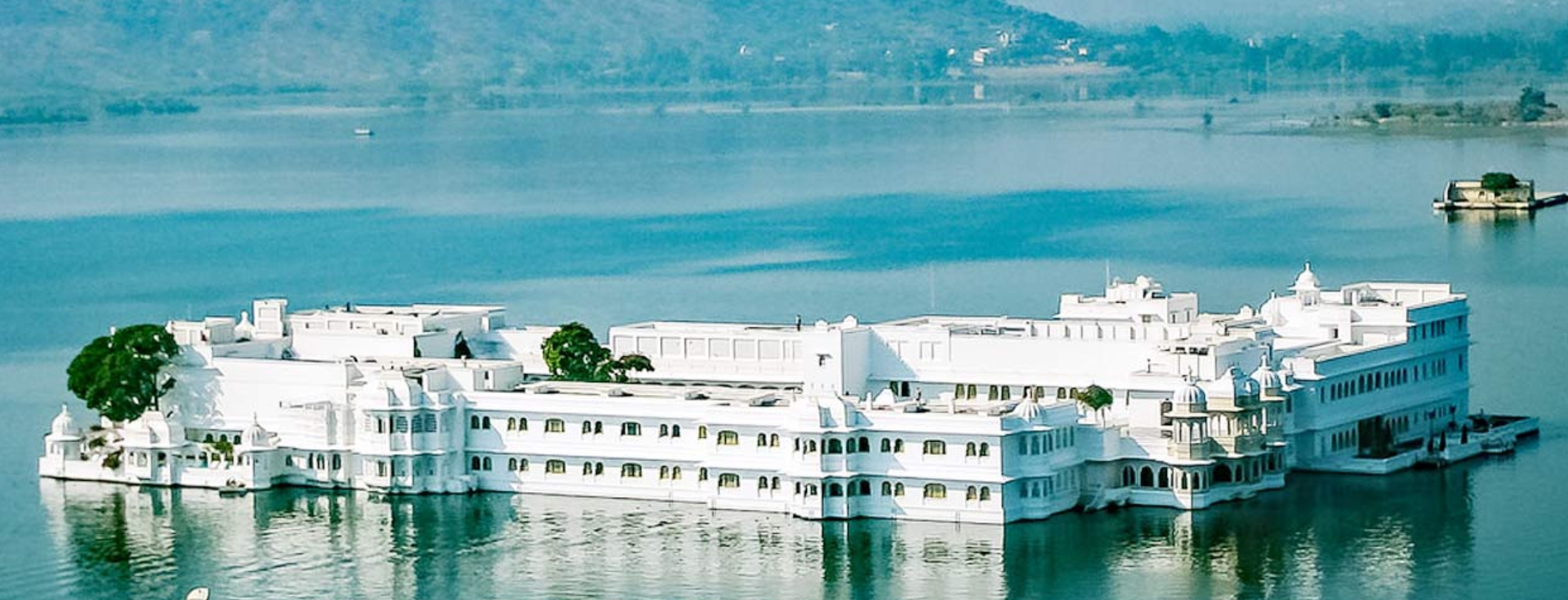
In 1971, the Taj Group (Indian Hotels Company Limited) entered into a long-term agreement to operate the iconic Lake Palace in Udaipur. The palace, originally a royal residence owned by the Mewar royal family, was transformed into a luxury hotel under Taj’s management. While Taj operated the property, ownership of the asset remained with the original stakeholders.
Over the years, Lake Palace became not just a hotel, but an internationally recognised symbol of luxury hospitality. The operator brought global standards, operational expertise, and brand reach. The owners retained the underlying real estate — an asset that continued to grow in stature and recognition.
This arrangement reflects a broader truth within hospitality: the interests of operators and asset owners align best when roles are clearly defined. The operator focuses on running the hotel efficiently and building brand equity. The owner focuses on creating, maintaining, and holding a strong real estate asset.
In 2023–24, global investment firm Blackstone acquired a 50% stake in the Taj Aravali Resort & Spa, Udaipur — a property operated by Indian Hotels Company Limited under a long-term management structure.
The transaction reflects continued institutional interest in hospitality assets operated by established brands.
Source: Public reports on the Blackstone–IHCL transaction.
The Blackstone–Taj Aravali development illustrates how institutional investors continue to view hospitality assets as viable long-term holdings when supported by credible operators. Such partnerships reinforce the idea that hospitality real estate can attract both operational expertise and investment capital when structured clearly.
Operator interest in Udaipur has also extended beyond legacy properties. International hospitality groups have continued to expand their presence in the region.
Wyndham Hotels & Resorts has signed properties in Udaipur under its upscale Dolce brand, marking continued international operator interest in the city’s hospitality landscape.
Source: Public hospitality announcements.
Globally, asset-light expansion has become the norm among leading hotel chains. Management contracts, franchise agreements, and lease structures allow brands to grow more rapidly while preserving capital flexibility. For asset owners and developers, this environment creates a distinct opportunity: develop high-quality hospitality properties that meet operator standards and long-term operational needs.
In destination markets such as Udaipur — known for heritage tourism, premium leisure travel, and destination weddings — the combination of strong location fundamentals and experienced hotel operators further strengthens the model. The city’s hospitality landscape demonstrates how long-term operator–owner relationships can endure and evolve.
The lesson is not about short-term cycles. It is about structure.
When ownership and operations are clearly separated, each party can perform its role more effectively. Operators work and earn through hospitality operations. Asset owners build and earn through disciplined real estate ownership. Together, they create properties that become part of a destination’s identity.
Udaipur’s experience shows that such models are not new — they are simply being refined and adopted more widely across global markets.